North Vietnam
In 1010, King Ly Thai To find the ancient capital of Thang Long, which is now called Hanoi, the capital of Vietnam. It was built on the site of the ancient city of Dai La on the Red River. In legend, when King Ly Thai To arrive in Dai La, he saw a golden dragon rise from the lake and soar into the sky above the future capital. He renamed Thang Long (Ascending Dragon) as the capital after moving the capital from Hoa Lu to Dai La.
Over 2,139 square kilometers, Hanoi City is bordered by high hills and mountains in the north and west, and the West Lake in the northwest. The city consists of 7 urban districts and 5 suburban districts. The east and west meet in Hanoi today, allowing visitors to experience both cultures. Many of the traditional temples and pagodas, the ruins of ancient citadels, and the remnants of The French colonial past reflect the changing fortunes of history. Amidst numerous lakes, rivers, green parks, tree-lined avenues, and an old quarter of 36 streets and guilds, Hanoi still retains many of its old charms.
Ha Noi & Its Vincinities
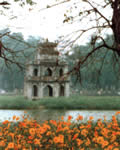 Buit on the former site of the ancient city of Dai La, on the right bank of the Hong River (Red River), Hanoi, the historical and political capital of Vietnam, was the name Emperor Minh Mang gave to the ancient capital of Thang Long founded in 1010 by King Ly Thai To. According to legend, on his arrival in Dai La, King Ly Thai To saw an enormous golden dragon emerge from the lake and soar into the sky above the site of the future capital. On the strength of this he decided to move the capital from Hoa Lu to Dai La which he renamed Thang Long (Ascending Dragon) Hanoi has been inhabited since the Neolithic age. The city is bordered by high hills and mountains in the northwest, with 7 urban districts and 5 suburban districts.
Today, visitors to Hanoi will encounter the cultures of both east and west. The changing fortunes of history are reflected in the architecture of it many traditional temples and pagodas, the ruin of ancient citadel and the lingering presence of the French remnants of its colonial past. Hanoi still preserves its old charms with the old quarter of 36 streets and guilds, beautifully situated among numerous.
Temple of Literature
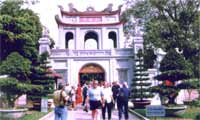 The Temple of Literature was built in 1070 as a dedication to the founder of Confucianism. Six years later, the school of Quoc Tu Giam was built in the premises of the Temple of Literature and considered as the first university of Vietnam, open not only to princes and children of the royal family members, but also to talented students around the country. The whole structure is about 350m long and 70 m wide and surrounded by a vast wall of bricks. There are five courtyards inside, and in an open courtyard, under the trees on either side, stand 82 stone steles. The steles are carved with the names, works and academic records of the doctors of philosophy who passed the King's examinations from 1498 to 1787. Each stele is placed on the back of a marble turtle representing the nation's longevity.
One Pillar Pagoda
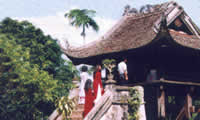 Built in 1049 under the Ly dynasty, to the west of the city, this square wooden pagoda rests on one pillar in the middle of a green lotus pond. Legends said that King Ly Thai To was old but had no son. One night, in a dream the king saw the goddess of Mercy sitting on a lotus flower offering him a male child. Shortly after that the queen got pregnant and she gave birth to a son. The king thanked the goddess by ordering the construction of this pagoda in the form of a lotus and named it Dien Huu, meaning long lasting happiness and good luck.
The Old Hanoi Quarter
Hanoi old quarter consists of 36 streets and guilds, each for selling a different kind of commodities. Many streets begin with the word "Hang" (street), following it is a word indicating the trades and commodities; for example, Hang Gao (street of rice) selling rice, Hang Duong (street of sugar) selling sugar, sweeties and cookies, and so on. This old quarter still preserves the Hanoi images that inspire the unique sensation of the past of Hanoi. The soul of the old Thang Long City rests in the ancient town center that we can feel when visiting Hanoi of 36 streets and guilds.
Co Loa Citadel
This is perhaps the most ancient citadel in Vietnam, built by King An Duong Vuong between 214 and 208 BC to make it the capital of the Au Lac State (the name of Vietnam at that time). The citadel has the structure of an oyster shell with 3 turns: the exterior, the middle and the interior.
Your browser does not support inline frames or is currently configured not to display inline frames. Legends said that one night the white cocks badly damaged the citadel. The god of river knew the damage and mysteriously interfered by sending a holy tortoise to protect the citadel building. When the construction was completed, a magic bow was given to king An Duong Vuong to defeat the northern invaders from China. The Chinese King Trieu Da knew the story and planned to have his son, Prince Trong Thuy, marry Princess My Chau the daughter of King An Duong. Trong Thuy made use of the opportunity and stole this magic weapon. War happened shortly after that, the Vietnamese king lost. He, together with his daughter committed suicide. Commemorating the king and the princess with their good deeds, his people constructed a temple to worship them which still remains intact up to now. Visitors will also find the remains of the citadel and many vestiges here.
West Lake
Your browser does not support inline frames or is currently configured not to display inline frames. West Lake is the biggest lake in central Hanoi, covering 500 ha in Tay Ho district. It is one of the main attractions of Hanoi City. In the ancient times, this place used to be a famous resort reserved for kings and mandarins. Many beautiful palaces and monuments were built on the bank of the lake, among them are Thuy Hoa Palace, Tu Hoa Palace, Ham Nguyen Sanctuary, Kim Lien pagoda and Ngoc Dam Palace. The 14-km path around the lake leads to different places of interest such as Nghi Tam and Tay Ho flower villages, the peach gardens of Nhat Tan and the famous Tay Ho Temple.
Situated on an island in the West Lake is the Tran Quoc pagoda, the oldest pagoda of Vietnam built in 541. Its ancient towers mirror in the lake water. Inside the pagoda there is a very precious statue, that of Buddha Sakyamuni entering Nirvana, a masterpiece of Vietnamese sculptural art.
Huong Pagoda
 The Huong Pagoda (Perfume Pagoda) is a complex of pagodas set amidst mountains, forests, lakes and caves, surrounded by vast green rice-growing plains, about 75 km from Southwest of Hanoi. A boat ride on the Yen Vi Stream through the green paddies to the mountain where the pagodas is located is interesting. The main pagoda is situated on the top of a mountain. Many people believe that this is a place where the deities purify souls, cure sufferings, and grant offspring to childless families. Going to the Huong Pagoda must be a good chance of boating, hiking and relaxation.
Especially, every year the Huong Pagoda Festival taking place in spring attracts tens of thousands of tourists and pilgrims coming to implore the spirits for good luck, wealth, and happiness, and also to admire the beautiful landscapes of the area. The festival takes place for two months from 15th of the first lunar month to the 15th of the 3rd lunar month.
 Hung Temple Vestiges
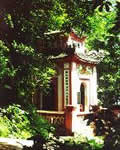
Den Hung Vestiges are located approximately 95 km from Hanoi. This group of vestiges is tied to the legend of the 18 Hung Kings who built Van Lang State (Vietnam in the past). Among the vestiges are the tomb of a Hung King and the Gieng (well) Temple located at the foot of the mountain. In the temple there is a well where the two daughters of the 18th Hung King had the habit of looking at their reflection in the well to comb their hair. On Nghia Linh Mountain, many artifacts and vestiges of the Van Lang civilization such as Stone axes, bronze spears, ceramic bowls and plates, stone columns, terra cotta jars, bricks and tiles still remain.
HOA LU - NINH BINH PROVINCE
Hoa Lu
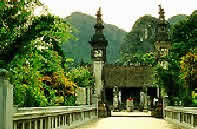 Hoa Lu was the capital of Vietnam from the year 968 to 1009 under the Dinh Dynasty and the Early Le Dynasty. The first king to rule the capital was King Dinh Tien Hoang, who defeated the 12 regional enemies and pacified the country at that time. The site was an attractive place for a capital because of its natural protection and mountain landscape.
Today, Hoa Lu is famous for its two superb ancient sanctuaries - one is dedicated to King Dinh Tien Hoang, the other temple commemorates the rulers of the Early Le Dynasty. Inside the temples are all sorts of drums, gongs, bells, weapons, and statues of the deceased kings. Visiting Hoa Lu and its old temples gives visitors an insight into the history and culture of Vietnam in the late 10th and early 11th centuries.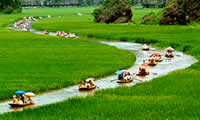
Tam Coc Cave
They are adorned with beautiful stalactites and stalagmites in different shapes and colors, sparkling line gemstone. Tam Coc cave include in Hang Ca, Hang Hai and hang Ba cave. Around cave through the rice-fields to the temple in memory of Kings of the Tran Dynasty, who fought against the Mongolians in 13th century.
Bich Dong Grotto
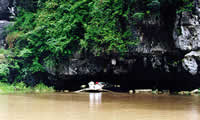 Located in the Ngu Nhac Mountains in Hoa Lu District of Ninh Binh Province, Bich Dong is one of the most beautiful grottoes in Vietnam. In the 18th century, King Tu Duc used to visit the grotto; charmed by the marvelous scenery of the site, the king inscribed on a wall of Bich Dong five Chinese characters that means " Vietnam's second most beautiful grotto." A small boat will sail visitors into the mystic grotto and meander around for you to discover the wonderful things hidden inside. From Bich Dong visitors can take boat trips to many other beautiful caves and grottoes not very far away, such as Tam Coc Caves, Fairy Grotto, Hoa Son Grotto, etc. Most of them are worth a visit.
Cuc Phuong National park
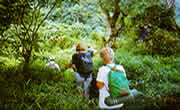 Some 100 km southwest of Hanoi and 60 km from the sea, Cuc Phuong National Park is one of the few remaining tropical primeval forest reserves in the world. The park covers 25,000 ha, three quarters of which are limestone mountains with altitudes ranging between 300 and 600 m above sea level.
This tropical primitive forest was discovered in 1960 and became a natural reserve of the country two years later. Cuc Phuong is famous for its dozens of picturesque caves, the most interesting being Nguoi Xua Cave (Cave of Ancient Men) where prehistoric stone tools were found.
Cuc Phuong National Park is home to some 2,000 species of flora. Some rare trees of the Parashorea and Dracontomelum families reach 1,000 years of age and are from 50 m to 70 m in height. The park grows at least 50 varieties of orchids, most of them fragrant the year long. Cuc Phuong is also home to 262 species of animals, birds and reptiles, including elephants, tigers, bears, wild horses, monkeys, flying squirrels, flying lizards, etc. Besides, there are also hundreds of species of beautiful and rare birds nesting here.
TOURS IN HANOI CAPITAL
HA NOI CITY TOUR (full day)
Picking up at your appointment. Car trip to visit Ngoc Son temple, Sword Lake for sightseeing in the heart of capital and car trip along the Hanoi Old Quarter, pass by Dong Xuan market then continue to the Old Citadel. Stop for visiting Ho Chi Minh’s Mausoleum, Museum and One Pillar pagoda. Lunch.
After lunch, visiting and going around West Lake. Then visit the Ethnology Museum, the Literature Temple and Quoc Tu Giam. Return to your place.
PERFUME PAGODA (full day)
Departure from hotel. Car trip to Perfume pagoda (80 km) for sightseeing of the beautiful landscapes on the way. Rowing boat on Yen stream to Thien Tru harbour. Trekking up to the main Cave pagoda. Lunch at Thien Tru harbour. Continue to visit forests, lakes, caves around Perfume pagoda. Back to hotel.
TAY PHUONG & THAY PAGODA (full day)
Departure from hotel. Car trip to Thay Pagoda, 30 km southwest of Hanoi capital. The pagoda was built on the slope of Phat Tich Mountain. It is interesting to ascend the hill of Sai Son of great magnificent panorama. Lunch. Transfer to Tay Phuong pagoda located on Cau Lau Mountain. It was built in the 8th century. Back to Hanoi and the end of tour.
HOA LU - TAM COC (full day)
Picking up at your appointment. Drive to Hoa Lu town, 96 km from Hanoi Capital. Arrival at Hoa Lu town for visiting Hoa Lu town (the capital from 896 to 1009) under Tran and Le Dynasty. Lunch. After lunch, taking the rowing boat along the tiny canal among the rice fields to visit Tam Coc (three grottoes), Xuan Vu village the where the skill of hand chiseling granite rocks. Return to your place.
HA NOI - CO LOA - DEN HUNG (full day)
Picking up at your appointment. Car trip to Coa Loa (30 km) for visiting remaining vestiges of An Duong Vuong King such as iron axes, bronze arrow heads, plough shares etc. Transfer to King Hung temple who built the first state in Vietnam named Van Lang. Lunch. Visit Gieng (Well) temple, vestiges of the Van Lang civilization such as stone axes, bronze spears, ceramic bowls, etc. Return to Hanoi and the end of tour.
HA NOI - HAI PHONG (02 days/01 night)
Day 01: Hanoi - Hai Phong
Departure from hotel. Drive to Hai Phong City, 102 km from Hanoi with many historical sites and beautiful beaches. Lunch at Hai Phong. Visit to Du Hang pagoda and Hang Kenh Village Communal House. Transfer to Do Son, a famous seaside resort for dinner and overnight.
Day 02: Hai Phong - Hanoi
Breakfast at seaside resort. Seabathing or at leisure until check out for returing to Hanoi and the end of tour.
HA NOI - TAM DAO (02 days/01night)
Day 01: Ha Noi - Tam Dao
Picking up at your appointment. Tranfer to Tam Dao, a summer resort of Vinh Phuc province with 800 m high above sea level. Check in. Lunch. Visit Tam Dao Mountains. Return to hotel for relaxing. Dinner. Overnight in hotel.
Day 02: Tam Dao - Hanoi
Breakfast at hotel. Then, continue to visit around the summer resort and enjoy moderate climate. Lunch. Check out. Depart to Hanoi and the end of tour.
HANOI - SAM SON BEACH RESORT (02 days/01 night)
Day 01: Hanoi - Sam Son
Picking up at your appointment. Drive to Sam Son beach far away 160 km from Hanoi capital. Lunch. Visit to Truong Le Mountain and Doc Cuoc temple. Return to hotel for leisure or sea bathing. Dinner. Overnight in Sam Son beach resort.
Day 02: Sam Son - Hanoi
Early sea bathing. Breakfast. Continue to sea bathing or at leisure on the beach. Lunch. Check out. Back to Hanoi and the end of tour.
HA LONG BAY
Ha Long Bay, the most wonderful bay of the world, covers an area of 1,500 sq. kilometers in the sea of Quang Ninh Province. Like a paradise, the bay consists of about 3,000 islands and islets glittering limestone cliffs and caves set in an emerald sea. In 1993, UNESCO recognized Ha Long Bay as a World's Natural Heritage. Different islands and islets of surprising shapes own different interesting names: Dragon Island resembling a dragon, Fighting-Cock Islet looking like a cock fighting, and so we have Monkey Island, Turtle Islet, Toad Islet, and so on. Some islets are rocky-headed; the others are covered with green trees. Inside the islands is a world of impressive caves, grottos and tunnels built by wind and tide. Local junks gently sailing among the many islets at sunset offer a romantic feeling. Ha Long Bay awaits your discovery.
The Dau Go Cave
This is one of the most beautiful grottos in Ha Long Bay, situated in a 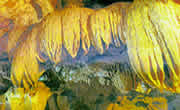 limestone island of 189 m above sea level. Its mouth is located half height of the island and is accessed after climbing 90 steps. Dau Go Grotto consists of 3 chambers, the outermost chamber, the largest one, can room three or four thousand people at the same time. Inside there are many magical stalactites and stalagmites that become colorfully sparkling with sunlight. In the final chamber there is a well of fresh water which is pure and cool all the time. Fascinated by its beauty, French tourists called Dau Go Grotto "Grotte des Merveilles".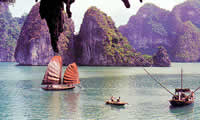
Bo Nau Grotto
Bo Nau means pigeon in Vietnamese. This place, which was used by innumerable pigeons for shelter and nesting. Bo Nau grotto, one has a large view of the sea and remote island.
The Trinh Nu Cave
 There are many stalactites and stalagmites of queer shapes or a young girl's face. The love story was that a local mandarin kidnapped a nice girl of a poor fishing family as his concubine. She tried to escape but could not go home because her return may endanger her parent' life. She decided to stay in this islet and committed suicide. Since then the Cave was named "Virgin Girl" Cave.
HAI PHONG AND DO SON
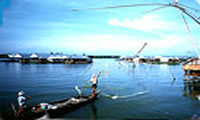 Situated on the coast of the East Sea, Hai Phong is a beautiful seaport city of two million inhabitants. It has been an important port of the country for hundreds of years, where international ships can be anchored. The weather here is warm all year round. In summer the city becomes bright when the road-sided flamboyant trees are in full blossom, therefore it is also called " the City of Flamboyant Flowers."
Nowadays, Hai Phong is not only an industrial city but also a city of tourism of Vietnam. Hai Phong has been famous for its Do Son Peninsula with excellent beaches and sea resorts, ancient monuments, and Cat Ba National Park. Besides, Do Son Buffalo Fighting Festival held excitingly in autumn attracts many people every year.
Do Son Beach
Located 22 km southeast of Hai Phong, Do Son is a beautiful peninsula with a belt of mountains, hills and forests jutting out into the sea for 5 kilometers. Seawater here is always emerald transparent.
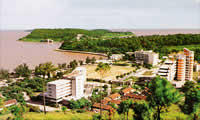 Immediately upon setting foot in Hai Phong, the French turned Do Son into a summer resort for their expatriate community and the Vietnamese upper class. This sea resort town is composed of three zones, each having nice beaches, hills, pine forests, and age-old constructions.
At the very tip of the peninsula is the Hotel de la Pionte, now known as Van Hoa Hotel, built on the top of a large hill. This is the finest building in Do Son, looking like an ancient castle rising out of the green landscape.
Du Hang Pagoda
This pagoda, constructed in the early Le dynasty in the 10th century, is renovated very often by followers. King Tran Nhan Tong, a devout Buddhist, used to preach at the pagoda. People can find a gate of 2 storeys, the statues of Bodhisattvas, guardians, the wooden goddesses and much ancient furniture for worshipping. In the front, there are Islamic-Khmer style bells of big curiosity.
Hang Kenh Communal House
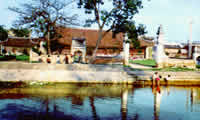 Built in 1856 in the shape of a boat, Hang Kenh Communal House is famous for its valuable wooden sculptures: 156 pieces with the dragon as the main theme. There are altogether 308 wooden dragons of different inspirations and sizes. Inside there is a statue of King Ngo Quyen and a palanquin.
Every year from the 16th to 18th of the second lunar month, the Hang Kenh Communal House Festival is held animatedly with ritual ceremonies, folk art performances, and traditional games, attracting a large crowd.
 Cat Ba Island and Nation Park
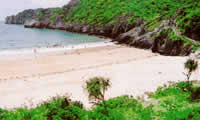
The Cat Ba is an archipelago comprising about 366 islands of different sizes. The main island is the Cat Ba covering an area of 100 sq. km, located 30 nautical miles from Hai Phong City. A part of the island has been preserved as a national park which is 15,200 ha wide; 9,800 hectares of evergreen forests and 4,200 hectares of sea. More than 20 species of mammals, 69 species of birds, and 20 species of reptiles and amphibians are found in the Cat Ba National Park.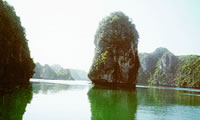
Many of them are of the rare or endangered species. The topography of the park is varied, consisting mainly of forests and limestone mountains with many caves and grottos, dotted around are fine white-sand beaches and lakes. Cat Ba National Park has a large area of tropical virgin forests in Vietnam. Visiting Cat Ba, tourists can take different recreational activities; from trekking, exploring, and mountain climbing to swimming and boating.
THANH HOA
150 km from Hanoi Capital, it is famous for Sam Son beach - an excellent beach in Vietnam as in the Southeast Asian Region. Besides the beaches, Sam Son offers scenic spots such as Trong Mai Island, Doc Cuoc Temple, and Co Tien Mount.
THIEN CAM MOUNTAIN - HA TINH
This mountain is located near the sea, 20 km from Ha Tinh province. Yen lac pagoda, separated from the foot of the mountain by only a strip of sand, was built in the 13th century and was classified as a national monument.
At the beginning of the century, the French built a summer resort at Thien Cam, but it was destroyed during the war. However, Thien Cam Mountain is growing in popularity as more tourists visit the area.
NGHE AN - CUA LO BEACH
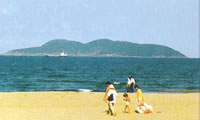 Nghe An province located in the north of central part, bordered by the Red River Delta and Quang Binh province is the birthplace of legendary Vietnamese heroes and great men such as Le Loi, Nguyen Du, Nguyen Trai, Ho Chi Minh and fascinated by the vestige of the bronze Age culture and ancient pagodas and temples.
Cua Lo Beach is 20km from Vinh City. It stretches nearly 10km and has fine white sand, and green sea pine forests.
Cua Lo Beach has been discoverred sin 1907. Realizing the potential of Cua Lo Beach as an excellent seaside resort, the French built villas for the exclusive use of the French community. Unfortunately, the villas were destroyed during the first Indochina war.
Tours in the Northern Coast
HA NOI - HA LONG - CHUA HUONG - HOA LU (06 days / 05 nights)
Day 01: Ha Noi
Arrival at Noi Bai airport. Pick up and transfer to hotel for check in. At leisure. Lunch. In the early afternoon, city tour including the Sword Lake, the Ngoc Son temple, Temple of Literature – Quoc Tu Giam (the first university in Vietnam), the Old Quarters of Hanoi consisting 36 commercial roads. Dinner. Free evening. Overnight in hotel.
Day 02: Ha Noi - Ha Long (165 Km)
Breakfast at hotel. Depart to Ha Long Bay where has many beautiful islands. Arrival at Ha Long Bay for check in hotel. Free at leisure. Boat trip to visit to Bo Nau grotto, Thien Cung and Dau Go caves, which are beautiful caves recognized by the World Natural Heritage. Enjoy sunset when returning to Ha Long Bay. Dinner. Overnight in hotel.
Day 03: Ha Long - Ha Noi
Breakfast at hotel. Continue to another boat trip to visit the Bay. Lunch at the island. Back to Ha Long Bay. Check out. Drive to Hanoi capital for check in. Having dinner and leisure. Overnight in Hanoi capital.
Day 04: Ha Noi - Chua Huong (Perfume Pagoda)
Breakfast at hotel. Car trip to Perfume pagoda (80 km) for sightseeing of the beautiful landscapes on the way. Rowing boat on Yen stream to Thien Tru harbor. Trekking up to the main Cave pagoda. Lunch. Continue to visit forests, lakes, caves around Perfume pagoda. Back to Hanoi. Dinner. Overnight in hotel.
Day 05: Ha Noi - Hoa Lu - Tam Coc (91 km)
Breakfast at hotel. Depart to Hoa Lu town. On the way enjoy the rural scenery along the road. Visit the Hoa Lu Old Citadel, the Capital of Vietnam from 968 to 1009. Lunch in Hoa Lu town. Boat trip along the tiny canal among the rice fields to visit Tam Coc (three grottoes). Back to Hoa Lu and depart to Hanoi. Dinner. Free evening and overnight in hotel.
Day 06: Departure
Breakfast at hotel. Shopping at Dong Xuan market or at leisure. Check out. Transfer to the airport for departure.
This is quite an itinerary for our people, I would like to book this tour programe. Click here
HA NOI - HAI PHONG - HA LONG - CAT BA - HA NOI (06 days / 05 nights)
Day 01: Ha Noi
Arrival at Noi Bai airport. Meet and transfer to hotel for check in. At leisure. Visit Ngoc Son temple, Sword Lake for sightseeing and car trip along the Hanoi Old Quarter, pass by Dong Xuan market then continue to the Old Citadel. Stop for visiting Ho Chi Minh Mausoleum, and One Pillar pagoda. Dinner. Free evening. Overnight in hotel.
Day 02: Ha Noi - Ha Long (165 km)
Breakfast at hotel. Check out. Drive to Ha Long Bay where has many beautiful islands. Stopover at Hai Phong City (103 km from Hanoi capital) for visiting Casino and sea bathing in Do Son Beach. Lunch in Do Son. Continue to drive to Ha Long Bay for check in. Dinner. Free evening. Overnight in hotel.
Day 03: Ha Long - Cat Ba
Breakfast at hotel. Check out. Boat trip to visit to Thien Cung and Dau Go caves, and Bo Nau grotto, which are beautiful caves recognized by the World Natural Heritage. Lunch in the island. Continue to Cat Ba Island. Enjoy sunset when returning to Cat Ba Island. Check in and dinner in Cat Ba Island. Overnight in hotel.
Day 04: Cat Ba National Park
Breakfast at hotel. Car trip to visit Cat Ba National Park. Trekking through the forest with stopover reviewing Frog Lake. Crossing over 6 mountains range. Lunch and picnic in the Park. Then, continue to walk to Lanha Bay. Boat trip back to hotel. Enjoy scenery and swimming. Dinner. Free evening and overnight in hotel.
Day 05: Cat Ba - Ha Long - Ha Noi
Breakfast at hotel. Check out. Boat trip to Ha Long Bay. Lunch at Ha Long Bay. Car trip to Hanoi for check in hotel. Free at leisure. Free evening and overnight in hotel.
Day 06: Departure
Shopping at Dong Xuan market or at leisure. Check out. Transfer to Noi Bai airport for flying to your country.
This is quite an itinerary for our people, I would like to book this tour programe. Click here
HA NOI - NINH BINH - CUC PHUONG - HA LONG (06 days/05 nights)
Day 01: Ha Noi
Arrival at Noi Bai airport. Meeting and transfer to hotel for check in. Lunch. Afternoon City tour including the Sword Lake located in the center of Hanoi Capital, the Ngoc Son temple, and the Old Corner town of Hanoi consisting of 36 commercial roads. Dinner. Overnight in hotel.
Day 02: Ha Noi - Hoa Lu - Tam Coc (91 km)
Breakfast at hotel. Check out. Depart to Ninh Binh town with various landscapes and historical sites for sightseeing. Arrival at Ninh Binh town for hotel check in. Visit the Hoa Lu Old Citadel, the Capital of Vietnam from 968 to 1009. Lunch. After lunch, boat trip along the tiny canal among the rice fields to visit Tam Coc (three grottoes), Xuan Vu village where the skill of hand chiseling granite rocks. Back to Ninh Binh town for dinner. Overnight in hotel.
Day 03: Ninh Binh - Cuc Phuong National Park (70 km)
Breakfast at hotel. Drive to Cuc Phuong National Park, 50 km north west of Ninh Binh town. Visiting the Park Museum, Botanical Gardens and the Endangered Primate Rescue Center. Lunch at Cuc Phuong National Park. After lunch, depart to the Park Center, on the way visit the "Cave of Early man", and admire the primary forest with "1,000 year Old Tree". Return to Hanoi Capital for check in. Dinner. Overnight in hotel.
Day 04: Ha Noi - Ha Long (165 km)
Breakfast at hotel. Check out. Depart to Ha Long Bay with beautiful rural scenery along the road. Arrival at Ha Long Bay for check in. Lunch at Ha Long Bay. Boat trip to visit to Thien Cung and Dau Go caves, which are beautiful caves in Ha Long recognized by the World Natural Heritage. Enjoy sunset when returning to Ha Long Bay. Having dinner. Free evening and overnight in hotel.
Day 05: Ha Long - Hanoi
Breakfast at hotel. Continue to another boat trip to visit the Bay. Lunch at the island. Back to Ha Long Bay for check out. Drive to Hanoi Capital for check in. Dinner. Overnight in hotel.
Day 06: Departure
Breakfast at hotel. Shopping or at leisure. Check out. Then, Transfer to Noi Bai airport for departure.
Located in the northwestern portion of the country, Northwest is a rural region dominated by the Hoang Lien Son Mountains and Fansipan Mountain ranges. From Son La Province through Lai Chau, Lao Cai, and Yen Bai Provinces, this land is separated from Laos by the Pu-Den-Ding and Pu-Sam-Sao Mountain ranges. Many minority groups live in the area, including Thai, Muong, H'mong, Dao, Giay, Khang, Lu, Mang, etc. Their terraced fields are a major attraction, where they cultivate maize, rice, vegetables, and tea. The climate here is cool all year round. It is sometimes possible to find snow falling in some places during the winter.
There are breathtaking views of Thai and Tay tribal villages from below the curving roads that pass the hills and bend around the valleys. In the open markets held every Sunday, the same scenes have played out for decades - a couple riding horses to the market and the wife following; youngsters chatting, drinking, and playing the traditional flute. Mountain resorts with modern villas and hotels have been built on and around the mountains, making them wonderful vacation spots.
Sapa
Sapa is a beautiful summer resort located 1,600 m above sea level, by the Muong Hoa River in Lao Cai Province. The mountainous topography of this town impresses the visitors. Sapa's temperate climate and beauty were already known by the French as early as the beginning of the century when they built many villas here. The town is now the main tourist destination of the region with a lot of luxurious hotels and villas, and welcome thousands of visitors every year. There are several places of interest such as the Silver Fall, Rattan Bridge, Wind grotto, and Ham Rong Mountain dotted about the town.
Dien Bien Phu
Dien Bien Phu is the chief town of Lai Chau province, 492 km from Hanoi. It is situated in the Muong Thanh plains and surrounded by high mountains. Dien Bien Phu is known around the world as a fierce battlefield where historical combats between the Vietnamese Army and the French Colonialists took place in 1954. Its victory for the Vietnamese made the world surprised. The remains of the former battlefield are still preserved here and attract many visitors, particularly the veterans and their descendants. The underground shelter of General De Castries, the bases on the hills A1, C3, Him Lam, Doc Lap, the war museum, and the war cemetery are usually the main attractions. Visitors can also visit to the local hill tribes that remain the primitive life to know more about their way of life and traditional cultures.
MAI CHAU
It is a wonderful scenery of Mai Chau to see it from the pass Cun. The district lies in a green valley of paddy fields dotted with rows of stilt houses of the same size and shape. Mai Chau Valley is mostly populated by the White Thais, one of the ethnic minorities of Vietnam. Their stilt houses are made from hard wood, standing about 1.5 m above the ground, and nicely decorated.
Guests are usually invited by the host to sit on a mat spread on the floor to drink homebrewed rice wine (ruou can), and if it is at night time, traditional folk songs, dances and gong music will be performed to treat their guests.
THAM TET TONG CAVE
Two kilometers from Son La Town is Tham Tet Tong Cave, a wonder of the nature.
The cave is more than 150 m long and roofed by high mountains and vast forests. Inside the cave flows a stream with white water falls. Along the walls of the cave are numerous stalactites and stalagmites that sparkle in the morning sunshine.
TOURS IN THE NORTHWEST
HA NOI - MAI CHAU - SON LA - LAI CHAU - SAPA - HA NOI (07 days / 06nights)
Day 01: Ha Noi
Arrival at Noi Bai airport. Meeting and transfer to hotel for check in. At leisure. In the early afternoon, city tour including the Hoan Kiem (Sword Restored) Lake, the Ngoc Son temple, and passing the old Corner Town of Hanoi consisting 36 commercial roads. Having dinner. Overnight in hotel.
Day 02: Ha Noi - Mai Chau (136 km)
Early morning car trip to Mai Chau town. On the way stopover at Muong minority village of Ban Mo. Having lunch at the village. After lunch, continue to walk around Thai minority village for sightseeing and for experiencing minorities‘ life. Dinner. Overnight in stilt house in Mai Chau town.
Day 03: Mai Chau - Son La (167 km)
Breakfast at hotel. Check out. Depart to So La town en the route stopover at H’mong minority village for sightseeing. Arrival at Son La town for check in. Free at leisure. Lunch. In the afternoon, visit Thai minority village. Back to Son La Town for dinner. Overnight stay in hotel.
Day 04: Son La - Lai Chau (192 km)
Breakfast at hotel. Check out. Drive to Lai Chau town with many beautiful, dreamy landscapes on the way. Call at Thuan Chau market where ethnic people gather for trading. Lunch at Thuan Chau. Then continue to drive to Lai Chau town for check in hotel. Driving around Lai Chau town. Dinner. Free evening and overnight in hotel.
Day 05: Lai Chau - Sapa (200 km)
Depart to Sapa town. On the way stopover at scenic suspension bridge of Nam Na and Tien Son Cave in Binh Lu village. Lunch. After lunch, then continue to visit H’mong and Thai minority villages. Arrival at Sapa town for check in hotel. At leisure. Having dinner. Overnight in Sapa.
Day 06: Sapa - Ha Noi (354 km)
Breakfast at hotel. Visit to Sapa market where H’mong ethnic people gather to sell their hard weaving embroideries. Check out for Hanoi. On the way call at for lunch. Arrival at Hanoi in the late afternoon. Check in hotel. Dinner. Overnight in hotel.
Day 07: Departure
Breakfast at hotel. Shopping or at leisure. Check out. Then, Transfer to Noi Bai airport for departure.
This is quite an itinerary for our people, I would like to book this tour programe. Click here
HA NOI - SAPA - HA NOI (05 days / 04 nights)
Day 01: Ha Noi
Arrival at Noi Bai airport. Pick up and transfer to hotel for check in. At leisure. In the early afternoon, city tour including the Sword Lake - a symbol of Hanoi capital, the Ngoc Son temple, and the old Corner town of Hanoi consisting 36 commercial roads. Having dinner. Overnight in hotel.
Day 02: Ha Noi - Sapa (354 km)
Breakfast at hotel. Depart to Sapa - a land with spectacular risky mountain scenery and simple ethnic minorities. Stopover at the Red Dao minority village of Ta Phin, and passing through some other villages where you will find the every day life of the people, cross over mountains with many terrace fields on the way. Arrival at Sapa town. Hotel check in. Dinner. Overnight in hotel.
Day 03: Sapa
Breakfast at hotel. Trekking for 5 km, visiting Black H’mong village of Cat Cat, Cat Cat waterfall with a panoramic view of terraced rice fields. Return to Sapa town and enjoy the Love market. Dinner. Overnight in hotel.
Day 04: Sapa - Hanoi
Breakfast at hotel. Check out. Return to Hanoi capital on the way with stopover at ethnic minority villages and lunch. Arrival in Hanoi for check in. Dinner. Free evening. Overnight in hotel.
Day 05: Departure
Breakfast at hotel. Shopping or at leisure until transfer to Noi Bai airport for flying to your destination.
This is quite an itinerary for our people, I would like to book this tour programe. Click here
LANG SON
Lang Son - capital of mountainous Lang Son Province - is situated in a large valley on the left bank of the Ky Cung River, at an elevation of 500 meters. The area is largely populated by ethnic minorities: Tay, Nung, Man and Dao. Lang Son has long been an important trading post and crossing point into China. Local people exchange their forest products for the commodities of the neighboring Chinese. Local forest products usually include bear hides, medicinal leaves, honey, stuffed reindeers and bowls of silkworm larvae.The most beautiful landscape to see in Lang Son is Tam Thanh Grottoes, 3.5 km from the town and near Ky Lua Village. However, the real attraction is at its markets.
Tam Thanh Grottoes Located near the center of Lang Son town, Tam thanh Grottoes include three grottoes : Nhat Thanh (the first), Nhi Thanh (the second) and Tam Thanh (the third). The most famous is Tam Thanh grotto. Its door is approximately 8 m high, opening to a corridor with 30 stone steps carved in the mountain. There are dense groves hiding the grotto from the sun. Nhi Thanh grotto has excellent stalactities and stalagmites. The Ngoc Tuyen River flows through the grotto, which gives it added charm.
CAO BANG
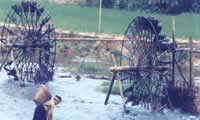 At some 272 km north of Hanoi, Cao Bang Province is the homeland of many Vietnamese minority groups who live on forestry and farming. Many of them still maintain the custom of living on the highest mountains and make stepped rice fields. Cao Bang shares 314 km of border with China. The province enjoys a temperate climate, with four distinct seasons in a year. The average temperature in summer is from 25 to 27 degree Centigrade and 16 to 17 in winter. In winter, snow sometimes falls in some high mountainous regions such as Trung Khanh and Tra Linh. Cao Bang is known for its majestic waterfalls, grottoes, and lakes. Weekly open markets for the minorities are interesting enough to attract many visitors.
Ba Be Lake
Your browser does not support inline frames or is currently configured not to display inline frames. Ba Be Lakes, the largest lakes in the north of Vietnam, are located in an area of waterfalls, rivers, deep valleys, lakes and caves set amidst towering peaks, 40 km from Bac Can Town. The lakes are about 145 metres above sea level and surrounded by steep mountains with numerous caves and underground rivers. Ba Be Lakes cover an area of 500 ha and are from 20 to 30 metres in depth. Rising out of the water in the middle of the lakes are two green islets, one of which looks like a horse splashing through the water.
The panorama of Ba Be Lakes is like a Chinese ink painting fascinating many visitors. You can spend a whole day boating on the lakes and along the rivers to come to the many places of interest here.
Places of other tourist attractions:
Ba Be Lake, Thang Hen Lake, Tan Trao Historical Area, Nui Coc Lake and Phoenix Grotto, Dong Van Highland, Mau Son Mountain, etc.
Pac Bo Historical Area
Pac Bo mean "mouth of the source", is 350 km from Hanoi. Pac Bo is a place where president Ho Chi Minh, upon returning from 30 years abroad, established his residence and worked on Vietnam's revolutionary course in 1941. Here, there is a clear and pure stream which you can watch fishes swimming in the bottom of the stream and green forests along two sides of the stream.
TOURS IN THE FAR NORTH
HA NOI - LANG SON - CAO BANG (08 days/07 nights)
Day 01: Hanoi
Arrival at Noi Bai airport. Pick up and transfer to hotel for check in. Free at leisure. Lunch. Afternoon city tour including the Sword Lake, the Ngoc Son temple, President Ho Chi Minh ‘s Mausoleum, the old Corner Town of Hanoi consisting 36 commercial roads. Dinner. Free evening. Overnight in hotel.
Day 02: Ha Noi - Lang Son
Breakfast at hotel. Check out. Car trip to Lang Son town. Visit to Tam Thanh grotto, Lunch. Afternoon, trekking and visiting hill tribe village in the mountain near the border. Dinner. Overnight in hotel.
Day 03: Lang Son - Cao Bang
Breakfast at hotel. Drive to Cao Bang province. Arrival at Cao Bang town for check in. Sightseeing on the way. Lunch. Then, visit to Pac Bo revolutionary historical Area. Free at leisure. Dinner. Overnight in hotel.
Day 04: Cao Bang - Bac Can
Breakfast at hotel. Depart to Bac Can province for visiting Ba Be lake. Lunch. In the afternoon, visiting to Ba Be lake, one of the and trekking. Dinner. Overnight in hotel.
Day 05: Cao Bang - Ha Noi
Breakfast at hotel. Coach to Hanoi City. Arrival at Hanoi City. Check in. Lunch. Visit One Pillar pagoda. Dinner. Overnight in hotel.
Day 06: Hanoi - Ha Long
Breakfast at hotel. Depart to Ha Long Bay where has many beautiful islands. Free at leisure. Boat trip to visit to Bo Nau grotto, Thien Cung and Dau Go caves, which are beautiful caves recognized by the World Natural Heritage. Enjoy sunset when returning to Ha Long Bay. Dinner. Overnight in hotel.
Day 07: Ha Long - Hanoi
Breakfast at hotel. Continue to another boat trip to visit the Bay. Lunch at the island. Back to Ha Long Bay. Drive to Hanoi for check in. Having dinner and overnight in Hanoi.
Day 08: Departure
Breakfast at hotel. Shopping at Dong Xuan market or at leisure. Check out. Transfer to airport for departure.
 Described as a bamboo shoulder pole carrying two baskets of rice at both ends, the Central Coast is a narrow strip of land stretching from the North Central to South Central Vietnam, linking the Red River Delta in the north and the outstretched Mekong Delta in the south. This area consists of 10 coastal provinces, each of which provides a fascinating destination for visitors. The land is set between the imposing Truong Son Range and the Pacific Ocean with a long coastline of white sand, dotted between are small plains grown with rice, sugar canes, cotton trees and different kinds of grains. The mountains, the sea, sand, sunshine and emerald paddy fields harmoniously combine together making the Central Coast a wonderful natural landscape.
 Danang, the capital city of the former Quang Nam Danang province, is located on the west bank of the Han River. Danang has grown from a small fishing village into an important port and the country’s fourth largest city. This may be where most of the tourists wish to visit when travelling to Vietnam. Scenery here is wonderful, featuring nice beaches and marble mountains. It's Cham culture and vestiges is anotherattraction for visitors.
 Hoi An, a charming ancient town of the 15th century, used to be the biggest sea port and the most important trade center of the country during the 17th and 18th centuries. Merchant ships from many countries such as: Holland, Britain, Japan, France, Portugal, China, Indonesia, etc. used to anchor here to purchase silk, pottery, tea, pepper and lacquerware of Vietnam.
 The Quang Nam - Danang area was the center of the Cham Civilization for many centuries. The most ancient capital, Singhapura (Lion Citadel) at Tra Kieu, 40 km southwest of Danang City, was built during the course of the fourth century. The ancient site of Singhapura with its dozens of monuments, hundreds of statues and bas-reliefs, attests to the rich culture of the kingdom which once flourished here.
 My Son is Vietnam’s most important Cham site, 70 km southwest of Danang City. It was chosen as a religious sanctuary by King Bhadravarman I and from the 4th century onwards, many temples and towers were built here. Most were dedicated to kings and Brahman divinities. More than 70 architectural works of different styles and eras once stood in this ancient site but today only twenty of which still remain intact. The monuments are set in a verdant valley surrounded by hills and overlooked by the massive Quap Mountain. There are clear brooks running between the structures.
 The Citadel City of Phu Xuan was built on the site of present day Hue in 1607 by Lords Nguyen Hoang. In 1744, Phu Xuan became the capital of the southern part of Vietnam under the rule of the Nguyen Lords. The Tay Son troops occupied the city from 1786 until 1802, when it fell to Nguyen Anh. He renamed the city Hue and crowned himself Emperor Gia Long, thus founding the Nguyen dynasty, which ruled the country for 143 years. Immediately upon his accession, Gia Long began the decades-long construction of the citadel, the Imperial City and the Forbidden Purple City. On August 24th, 1945, Emperor Bao Dai abdicated and became the last emperor of the Nguyen dynasty, and brought Vietnam’s monarchy to an end.
 Hue's citadel, which covers an area of 52 sq. km, was constructed between 1804 and 1833 by Emperor Gia Long, on a site carefully chosen by geomancers. The citadel is encircled by a zigzag moat which is 30 meters across and four meters deep. The Imperial City (Dai Noi) is made up of three different walled enclosures.
 Each tomb has a large brick-paved courtyard containing stone figures of elephants, saddled horses soldiers, civil and military mandarins. In front of the tomb stands the stele pavilion containing the tall marble or stone stele engraved with the biography of the deceased king written by his successor; however, Emperor Tu Duc wrote his own. There are temples and houses built around the mausoleum where to worship the deceased king and queen and for the king's concubines, servants and the soldiers who guarded the tomb. Setting foot in any of the tombs, one feels a sense of admiration for the noble grandeur and elegant simplicity of the architecture.
 Planned by the King himself, The tomb was constructed one year before his death in 1840 and was finished by his successor Thieu Tri in 1843. The tomb is perhaps the most splendid of the royal tombs. The setting blends the beauty of the nature with the majestic architecture and superb stone sculpture created by its many anonymous craftsmen.
 Tu Duc’s Mausoleum, 7 km southwest of Hue City, was constructed between 1864 and 1867 and is set amidst frangipani trees and a grove of pines. According to the king, to die is to begin a new life in a new empire, so that he designed an exquisitely harmonious tomb for him which resembles a royal palace in miniature for use both before and after his death. Visitors to the tomb will be impressed by its majesty and serenity.
 Thien Mu Pagoda was built in 1601 by Lords Nguyen Hoang on a hillock on the left bank of the Perfume River. It is one of the most ancient and famous pagodas in Vietnam. The symbolic feature of the pagoda is its seven-storey octagonal Phuoc Duyen Tower, 21 m high, built by Emperor Thieu Tri in 1844. Each of the seven storeys represents a different reincarnation of Buddha.
  One of the lands of natural contrasts of Vietnam is Ninh Thuan province. To the north and the south of the province are two ranges of high mountains jutting out the sea, making it a beautiful bay with emerald lagoons and excellent beaches. Ninh Thuan is famous for its production of grapes, sugarcane, cottons, garlic, onion, and salt. The area’s best-known sight is the group of Cham towers known as Po Klong Garai. You can see Cham towers dotted about the countryside 20 km north of Phan Rang Town. The Cham culture still exists in this site. Thousands of Cham descendants are living in and around Phan Rang town, the central town of the province.
 Five kilometers away from Phan Rang town to the east, Ninh Chu beach is one of the most picturesque beaches of Vietnam. This 10-km sandy beach is half circle-shaped and surrounded by the ranges of Scot-pines and mountains of overlapping rocks. Sunbathing on the fine sandy beach, swimming in the turquoise water, fishing, or trekking over the mountains is nice experiences for the visitors.
 Oceanographic Institute, 6 km south of central Nha Trang, was founded in 1923 and is one of the first centres of scientific research in Vietnam. At the ground floor, there is an aquarium with 23 glass tanks to house a variety of live specimens of the local marine life, more than 8,000 species. Behind the main building is a large room filled with 60,000 dead specimens of sea life, including a big whale's skeleton which is still intact.
 This is a group of seven Cham Temples; four of which still remain, the others were destroyed. Po Naga Cham Towers were built between the 7th and 12th centuries on a granite hill on the left bank of the Cai River. All the towers are east-faced and built of distinctive kind of red bricks.
 Hon Chong is a narrow granite promontory that juts out into the turquoise waters of the East Sea. To the northwest is the Co Tien Mountain (Fairy Mountain) consisting of three summits and looking like a reclining fairy. There is a gargantuan handprint on the massive boulder balanced at the tip of the promontory. According to local legend, it was made by a drunk male giant fairy when he fell down upon spying a female fairy bathing nude at Bai Tien Beach (Fairy Beach). Despite the force of his fall, the giant managed to get up and eventually catch the fairy. They became a nice couple, but soon the gods intervened and punished the male fairy, sending him off to a "re-education camp" for an indefinite sentence. The love-sick fairy waited patiently for her husband to come back, but after a very long time, despairing that he might never return, she lay down in sorrow and turned into Co Tien Mountain (Fairy Mountain). When the husband fairy finally returned and saw what had become of his wife, he prostrated himself in grief next to the boulder with his handprint on it. He, too, turned into what is the Hon Chong (Husband Promontory) nowadays.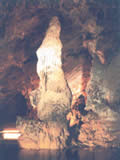
 Dalat’s Ethnic Minority Museum may be a must for anyone when visiting this city of flowers. Exhibits include traditional costumes, ornaments, jewellery, basket ware, hunting implements and interesting musical instruments. The museum’s archaeological display features a statue of the Hindu goddess; Uma, 12th and 14th Cham pottery vases, rice wine jars of over 200 years old, an unusual stone xylophone and tools used in the province over 1,500 years ago. The curator of the museum is a wealth of information on the minorities.
 Xuan Huong Lake, formerly part of the town’s golf course during the colonial era, is a beautiful lake lying in the heart of the town. The surrounding hills of pine forests and ancient villas are mirrored in its still waters. Walking along the pines-shaded path around the lake or pedalling swan boats on it is joyful for visitors and lovers. In front of the lake are Orchid Gardens which were established in 1966.
 Enclosed within the thousand flowers valley and pine-clad hills, the Prenn Falls is one of the biggest and most beautiful falls in Dalat area. Prenn Waterfall consists of a 15-metre free fall over a wide rock outcrop. A path goes under the outcrop affording a view of the pool and surrounding rainforest through the curtain of falling water. Apart from the Prenn Falls, visitors can also enjoy the wonderful scenery of other numerous waterfalls which are scattered around Dalat and Lam Dong Province.
 Buon Me Thuot is the capital town of Dak Lak province and the most densely populated area in the central highlands. Many mountains, hills, lakes, streams and waterfalls grace the richly forested landscape of this region. Buon Me Thuot used to be the hunting ground and an important base of the American during the war. Nowadays the area is well-known for its flora and fauna, coffee here is excellent. The land is home to many ethnic minorities. Different groups like the Bahnar, Ede, M’nong and the Rhade reside here, they wear traditional costumes and live in stilt-houses of different styles into hamlets or villages. Taking part in colourful festivals with traditional ethnic music and dances, tasting the home brewed rice wine through long bamboo straws, or riding an elephant for an excursion through the forests and lake are unforgetable experiences.
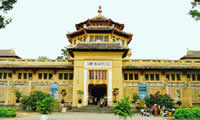 The History Museum, built in 1929 by the Société des Études Indochinoises, is just inside the main entrance to the city's zoo. The museum has an excellent collection of artifacts illustrating the evolution of the cultures of Vietnam, from the Bronze Age Dong Son civilization and the Oc Eo civilisation, to the Chams, Khmers and Vietnamese. The Museum is open from 8:00 to 11:30am and 1:30 to 4:30 pm daily.
 Architecturally looking modern, yet the Reunification Palace has experienced historical changes over its time course and today becomes one of the most fascinating site to see in Saigon. In 1868, the Norodom Palace was built on this site as a residence for the Cochinchina's General Governor. After the French departed, the palace was handed over the Saigon Government and became home of South Vietnamese presidents. In 1962, two pilots of Saigon Air Forces bombed down part of the palace, and in the same year a new mansion was built on the existing site with a larger scale, the new building was named the Independence Palace. Since 1975, it has been once more renamed the Reunification Palace. The palace covers an area of 2,000 sq.m and consists of 5 storeys with 100 rooms and chambers decorated with finest modern Vietnamese art and craft. Perhaps most interesting of all is the basement with its network of tunnels, telecommunications centre and war room.
 Vung Tau, known under the French as Cap Saint Jacques, is a provincial coastal town with beautiful sandy beaches and small rocky mountains. It is 120 km southeast of Ho Chi Minh City and can be easily reached by road or by hydrofoils following the stream of the Saigon River and through the Cangio estuary. Vung Tau has been a favourite weekend venue for the Saigonese to escape the steamy heat of the big city.
 Built in 1898 as a summer palace for the French Governor Paul Doumer, the Villa Blanch (White villa) is set amidst frangipanis and bougainvilleas on a lushly forested hillside overlooking the sea. It is an ideal place to sit, relax and contemplate. In 1909, the Vietnamese patriotic King Thanh Thai was exiled here before being sent to the French island of Reunion. Before 1975, the South government used it as a resort and a part-time playground for the presidents and high officers. The villa is now the museum of antiques and sea objects. Inside, there is an exhibit of old Chinese pottery, from the Qing dynasty, salvaged from an 18th century shipwreck near Con Dao Island.
 Vung Tau has 5 beaches scattered over the peninsula. Bai Truoc, or Front Beach is located on the northern side of Vung Tau and stands between the Big and Small Mountains. Restaurants, hotels and kiosks are accessible close by the beach.
 The hot water is used for its medicinal values; 730 C water is let to pools to cure skin disease and rheumatism. Binh Chau Thermal Springs belong to a preserved area that also features numerous forests, beaches and lakes. Hotels and restaurants have been built to accommodate visitors who go there for health as well as for recreational purposes. It is an attractive site for those who love nature and want to rest in an enchanting environment.
 Tay Ninh, 100 kilometers northwest of Ho Chi Minh City, shares a long border with Cambodia. To the north of the province is the mountainous region where lies the 980-meter high Ba Den Mountain (Black Lady Mountain), the highest peak in the South Vietnam. A prominent part of the province is occupied by forests of rubber trees. This area is well-known for its Caodaist Holy See, the headquarter of a newly-founded religion of Vietnam which combines various sources of religion such as Buddhism, Catholicism, Confucianism, Taoism and Hinduism; and for its Via Ba Festivals taking place at the mountain which attract thousands of pilgrims each year. A two-hour driving tour from Ho Chi Minh City to Tay Ninh is quite interesting and offers a chance to be close to the nature.
 Caodai Holy See, constructed in 1933, is 4 km from the centre of Tay Ninh, in the Long Hoa village. The complex includes the Great Temple, administrative offices, residences for officials and adepts, and a hospital of traditional Vietnamese herbal medicine to which people in the south travel for treatment.
 Ba Den Mountain (Black Lady Mountain), 14 km northeast of Tay Ninh town, rises 986 meters above the rice paddies of the surrounding countryside. It is the highest elevation in the south and the last mountain on the south extremity of the Truong Son Mountain Range. The name Back Lady Mountain is derived from the legend of Huong, a Young woman who married her true love despite advances of a wealthy mandarin. While her husband was away doing military service, she would visit a magical statue of Buddha at the summit of the mountain. One day, Houng was attacked by kidnappers but, preferring death to dishonour, threw herself off a cliff.
 The province of An Giang is located in the southwestern part of South Vietnam and bordered by Cambodia to the west. Different from other provinces in the Mekong Delta region, beside the low-lying land for the cultivation of rice, An Giang consists of a narrow mountainous area with a group of seven mountains. The province has been famous for the tradition in mulberry growing, silkworm raising and silk making. There are some 17 ethnic groups of Vietnam living in the area, they are with different cultures, beliefs and traditions. Its capital, Long Xuyen, is one of the most beautiful cities in the Mekong Delta and is worth a visit.
 From Long Xuyen City, Visitors embark on Hau River to visit Tiger Island, more specially Hoa Hung village, the native village of President Ton Duc Thang. In the past this was a region of rushes and reeds that was the done of Tigers and panthers. After many years of accumulation of the silt of the Hau river this fertile island was formed and then men began to establish communities, but they still call this island by the name of Tiger.On the island there is a wooden house in middle of the garden abundant in fruit trees. This house is the place where the souvenirs of president Ton Duc Thang are preserved.
 The U-Minh Forest, covering 1000 square km of Camau, Minh Hai and Kien Giang provinces, is the second largest mangrove swamp in the world just after the Amazon basin. There are two rivers, the Trem and the Cai Tau, flowing through the area. The forest is always gloomy and flooded everyday by tidal waters. U-Minh Forest is famous for its wealth of wild birds, waterfowl, reptiles, fish, and honeybees. Many adventure tours are organized to bring visitors to this wild area where you can take boat trip into the forests of mangrove trees to explore the nature and the wonders of the U-Minh Forest.
 Like a gem emerging from the emerald seawaters, Phu Quoc is endowed with many natural resources and tourist potential. Ringing the island are unspoiled beaches which are excellent for swimming and diving. The water around the island is transparent emerald, affording a fantastic view of the underwater marine life. Off its shore is a group of about 22 islands of all sizes, some of which are densely inhabited; the others are deserted.